
Macbeth is a robust, valiant general in line to be king. His immediate predecessor is Duncan. He carries this promise with aplomb. He and friend Banquo encounter the notorious “weird sisters” who tantalize them with snippets of prophesy. Like most oracles they tell you a lot, but never enough. They love contradictions. Macbeth will be happy, but Banquo happier. Banquo will sire kings, but it’s not in the cards for him. Macbeth will be king. But he knew that.
We don’t know exactly what was in the letters he wrote to Lady Macbeth, but he might want to rush the coronation. Which hits Lady Macbeth like a thunderbolt. With a nudge from the witches, it’s clear, they don’t need to wait. Duncan is a dear friend, and he will be murdered under Macbeth’s roof, but these are only details. Thereafter his close friends will be mere obstacles to his ascent.
A thematic thread weaves throughout this tragedy. When Macbeth and Banquo first encounter the witches, Banquo says in effect: you act like women but you don’t look like them. Until then, Macbeth was content to let nature take its course. But now he’s got the itch. Before Macbeth arrives, Lady Macbeth invokes the spirits: Unsex me here, she commands, forfeiting kindness and mercy for expediency.
When Macbeth gets cold feet she digs in hard, disparaging his manhood, his integrity, his courage. He’s convinced, for the moment, but folds at the crucial hour. She must assassinate Duncan and his queen for the both of them. She keeps the spark going. Shakespeare raises the same questions over and again. Does Macbeth just succumb to the witches and his wife? The spellcasters infiltrate a number of scenes, invisible to other characters, but most decidedly there. Certainly Macbeth has agency, but then how do women find leverage (for good or ill) when loftier channels are denied?
Shakespeare’s men must endure their own torment. Subjected to catastrophic, devastating circumstances, they must choose between going to pieces or shutting down. When Macduff discovers his wife and children are dead, Malcolm exhorts him: Dispute it like a man. Macduff responds: I shall do so; But I must also feel it as a man. As he does in numerous plays, Shakespeare fractures reductive identity. Refuses to separate gender from humanity. Why is grief unseemly for a man? Defiance inappropriate for women?
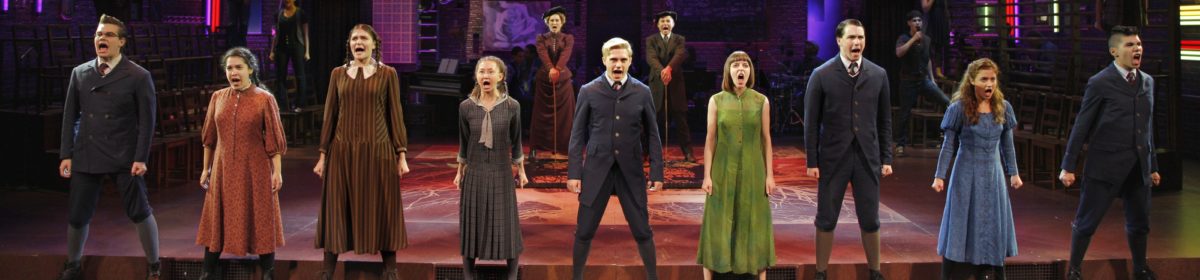
Director Joey Folsom takes an ingenious spin on Macbeth. Unorthodox and compelling choices. The three weird sisters are clothed as mourners, in black dresses and veils, obscuring their faces. Some characters feel androgynous, in the spirit gender-fluidity perhaps? So many productions of Macbeth feel hurried and connecting scenes cursory. Folsom lingers on these key moments, giving us time to appreciate each character, to grasp the pivot. Folsom’s interpretation is surprising. Intriguing. He doesn’t give the script short shrift. He rejects the bombastic and histrionic for quiet, unending grief. The abyss of despair.
The Contemporary Theatre Project presents Macbeth, playing October 9th, 2026 through Halloween. The Core Theatre. 518 West Arapaho Road, Suite 115, Richardson, Texas 75080. (214) 923-3619 theclassicstheatreproject.com. tctpdfw@gmail.com